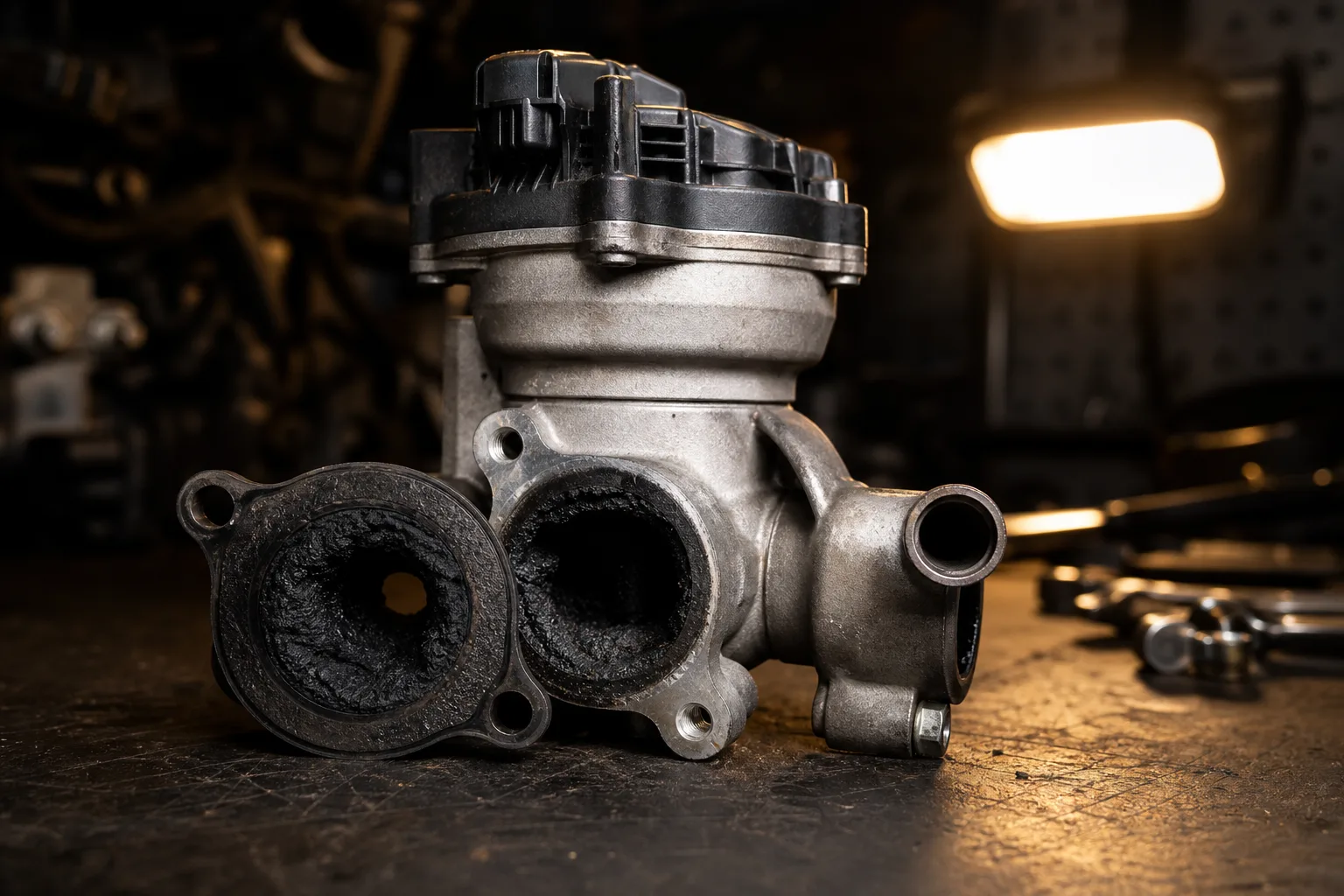
Understanding Automatic Transmission Hydraulic Block Repair
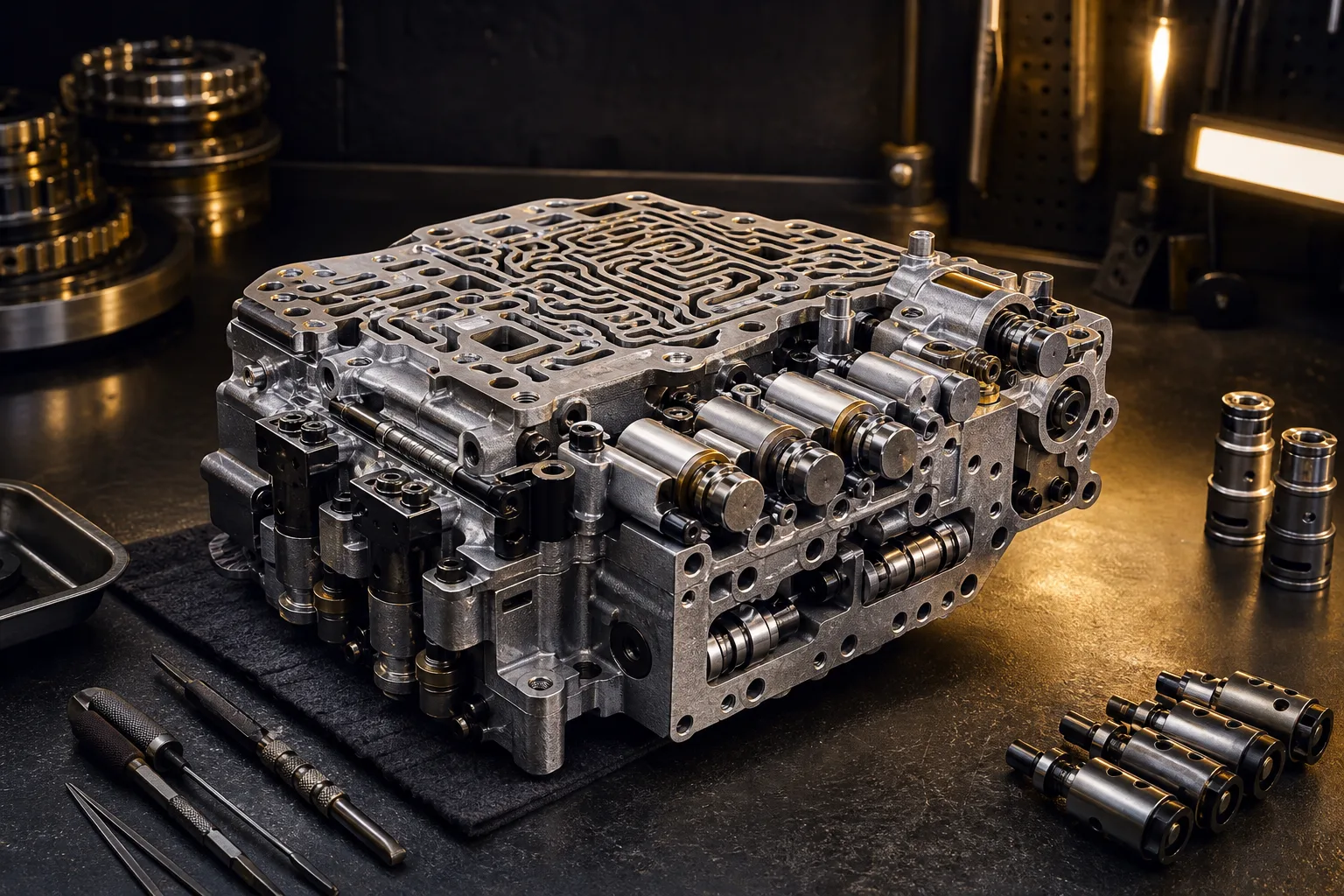
Shifting complaints that appear intermittently — delayed engagement, harsh upshifts, or unexpected gear hunting — often trace back to the hydraulic control section of an automatic transmission. At neurogliazx, we see valve body and hydraulic block issues frequently enough that bench testing has become a standard step before recommending a full transmission removal.
What the Hydraulic Block Controls
The hydraulic block, commonly referred to as the valve body, directs pressurized fluid to clutches, bands, and solenoids according to vehicle speed, load, and driver input. Solenoids open and close specific circuits; check valves maintain pressure balance; and worn bores or stuck valves disrupt the timing that smooth shifts depend on.
When fluid pressure arrives at the wrong moment, the transmission control module may log solenoid performance codes even though the electrical side tests within specification. That distinction matters — replacing a solenoid without addressing hydraulic wear often produces the same symptom within weeks.
Common Failure Patterns We Observe
- Bore wear around pressure regulator valves causing line pressure drift
- Debris from degraded clutch material blocking small passages
- Sticking shift solenoids due to varnish buildup from overheated fluid
- Separator plate gasket failure allowing cross-leakage between circuits
Mileage, towing history, and fluid change intervals all influence how quickly these conditions develop. Vehicles that operated with low or contaminated fluid typically show more extensive internal scoring, which affects whether repair or replacement is the practical path forward.
Bench Testing Before Disassembly
Before removing a transmission, we review stored and pending codes, compare live data against manufacturer ranges, and perform a road test when safe. If hydraulic control is suspected, the valve body can often be accessed without a complete unit teardown — though access varies significantly by platform.
On the bench, we inspect separator plates, check ball and check valve seating, measure solenoid resistance, and apply controlled air pressure to verify circuit isolation. Fluid condition from the pan provides additional context: metallic glitter suggests hard part wear, while dark varnish points to thermal stress.
Documenting these findings helps vehicle owners understand why a hydraulic block repair may resolve symptoms that a software reset alone cannot address. It also establishes a baseline if related components require attention later.
Repair Options and Maintenance Considerations
Depending on bore condition and parts availability, repair may include installing oversized valve kits, replacing the separator plate and gaskets, or fitting a remanufactured valve body assembly. We match the approach to manufacturer guidelines and the overall health of the transmission hard parts.
After repair, fluid specification and fill procedure must follow the exact requirements for the transmission family involved. Incorrect fluid type or level can recreate shift quality issues immediately. Regular fluid inspection at service intervals remains the most effective way to extend hydraulic component life.
When to Schedule an Inspection
If shift quality changes suddenly, if multiple transmission-related codes appear together, or if fluid inspection reveals contamination, a hands-on evaluation is warranted. General information cannot replace measuring line pressure, verifying solenoid response, and inspecting the hydraulic control section on your specific vehicle. Contact our Mesa workshop if you need a specialist to review your situation.